
Why Knee, Shoulder, and Hip Pain Is So Common
This article explains why knee, shoulder, and hip pain are so common, highlighting the impact of daily movement, lifestyle habits, and aging on joint health.
1/27/20261 min read
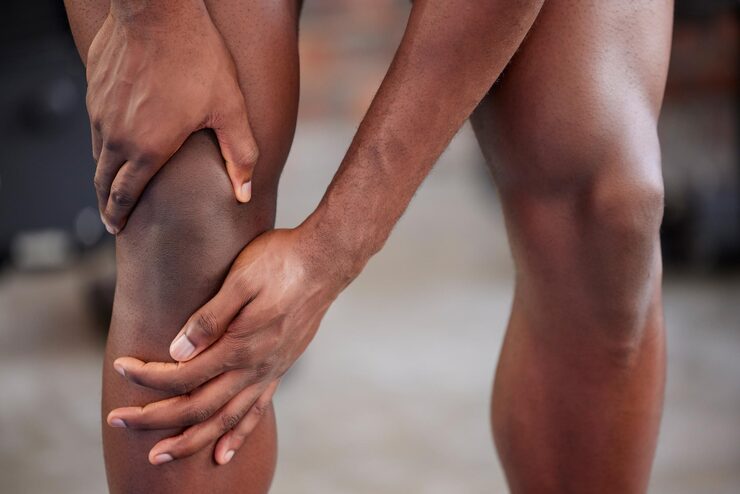
Knee, shoulder, and hip pain affect people of all ages, not just older adults. These joints are essential for movement and daily activity, which makes them especially vulnerable to stress, overuse, and inflammation.
Understanding why these joints are commonly affected can help you take steps to protect them.
The Role of Repetitive Movement and Daily Stress
Major joints like the knees, hips, and shoulders handle repetitive motion every day — walking, lifting, reaching, sitting, and standing. Over time, this repeated stress can lead to strain on joints, muscles, and connective tissues.
Poor posture and improper movement patterns can increase this stress even further.
How Lifestyle Habits Contribute to Joint Pain
Several everyday habits can increase the risk of joint discomfort:
Sitting for long periods
Limited physical activity
Carrying excess body weight
Repetitive lifting or overhead movements
Over time, these factors can reduce joint flexibility and increase stiffness.
Aging and Joint Wear
As the body ages, joint cartilage may naturally thin, and joint fluid may decrease. These changes can make joints feel stiff or sore, especially after rest or prolonged activity.
While aging is unavoidable, how joints are supported through lifestyle choices matters greatly.
Why Early Attention Matters
Ignoring recurring joint pain can lead to reduced mobility and discomfort over time. Addressing the underlying causes early — through movement, support, and healthy routines — helps protect joint function long-term.
Final Thoughts
Knee, hip, and shoulder pain are common because these joints work hard every day. Understanding the causes behind the discomfort allows you to make proactive choices that support mobility, comfort, and joint health.